Protein is one of the most important nutrients your body needs to maintain and build muscle and to support many vital functions. Whether your goal is to gain muscle mass, lose weight, or improve your fitness, knowing how much protein per day your body needs is an essential step toward better results.
But does everyone need the same amount of protein? Of course not! Daily needs vary with body weight, level of physical activity, and the goal of your diet. That's why it's worth using a protein calculator to work out the right amount for you instead of relying on random estimates.
Why Is Protein Important for Your Body?
Protein isn't only about building muscle; it plays several roles your body can't do without, including:
- Building and repairing muscle: Protein helps repair muscle tissue after training and supports its growth when you do resistance training.
- Supporting immunity: It is part of the antibodies that help your body fight infection.
- Producing enzymes and hormones: It takes part in many vital processes your body needs to function.
- Increasing fullness: Eating protein helps you feel full for longer, which may help you control your appetite.
- Preserving muscle mass: It is especially important during weight loss, when your body is in a calorie deficit.
How Do You Calculate How Much Protein per Day Your Body Needs?
Working out your protein needs depends mainly on your body weight, taking into account your level of physical activity and the goal you're working toward.
There are several guideline ranges you can use:
| Activity level or goal | Protein per kilogram of body weight |
|---|---|
| Limited activity | 0.8–1.0 grams |
| Moderate physical activity | 1.2–1.6 grams |
| Resistance training | 1.4–2.0 grams |
| Building muscle | 1.6–2.2 grams |
| Losing fat while preserving muscle | 1.6–2.2 grams |
These ranges are guidelines, not a fixed prescription for everyone, and needs may vary with body fat percentage, health status, and the type of training.
A practical example:
If you weigh 70 kilograms and do resistance training regularly, you may need about 112–140 grams of protein per day, depending on your goal and training level.
Because doing these calculations by hand can be confusing, you can use the protein needs calculator to estimate the daily amount that fits your details and goals.
What's the Difference Between Protein Needs for Bulking and for Weight Loss?
Protein calculations vary with your fitness and nutrition goal: the needs of someone trying to build muscle may differ from those of someone who wants to lose fat.
1. Protein for Bulking and Building Muscle
When you follow a diet aimed at increasing muscle mass, your body needs enough protein to support building and repairing muscle tissue after training.
About 1.6–2.2 grams of protein per kilogram of body weight is a suitable range for many people who do resistance training with the goal of bulking.
But remember that protein alone isn't enough; you also need a suitable training program, enough calories, good sleep, and proper recovery periods.
2. Protein for Weight Loss and Fat Loss
During weight loss, the goal isn't only to reduce fat; it also includes preserving as much muscle mass as possible.
This is where protein plays an important role, because it helps preserve muscle and increases fullness, which may make it easier to stick to your diet.
So about 1.6–2.2 grams per kilogram of body weight may be suitable for some active people during a fat-loss phase, taking into account body composition and health status.
What Are the Best Sources of Protein?

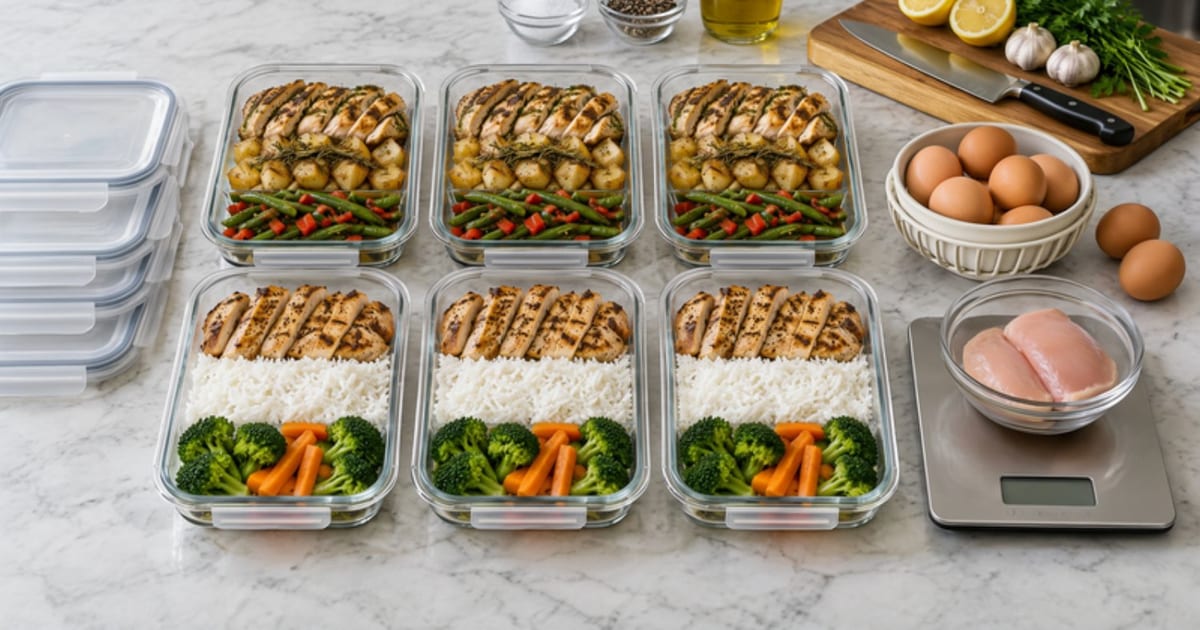
You don't have to get protein from supplements; you can cover a large part of your daily needs through natural foods.
Here are some of the most important protein sources:
Animal protein sources:
- Chicken breast: rich in protein and relatively low in fat.
- Eggs: contain high-quality protein and a range of important nutrients.
- Fish and tuna: provide protein, and some types contain omega-3 fatty acids.
- Lean red meat: provides protein, iron, and vitamin B12.
- Greek yogurt and cottage cheese: good options for adding protein to your meals.
Plant protein sources:
- Lentils, fava beans (ful), and chickpeas.
- Beans and peas.
- Soybeans and soy products.
- Nuts and seeds.
It's best to vary your protein sources to get a wide range of amino acids and nutrients.
Should You Eat Protein Right After Your Workout?
It's commonly believed that there's a very short window after training during which you must eat protein, or the benefits of the workout will be lost.
But the truth is that muscle building is a continuous process, and it doesn't depend on eating protein within a specific number of minutes after training.
What matters most is getting enough protein throughout the day, spread across several meals. Eating a meal that contains protein before or after your workout can help support muscle recovery and stimulate muscle building.
How Can FTW's Protein Calculator Help You?

Instead of guessing or using general numbers that don't account for differences in individual needs, you can use FTW's tools to work out your nutritional and physical needs in a more organized way.
With FTW's tools, you can start learning about your needs and setting your goals, which helps you build a plan that suits your body and activity level.
And remember that calculating your protein isn't just a number to hit every day; it's part of a balanced diet that supports your fitness goal and helps you achieve lasting results.
Frequently Asked Questions
How much protein do I need per day?
It depends on your weight, activity level, and goal. A less active adult usually needs about 0.8 grams per kilogram of body weight, while the needs of people who train may rise to 1.4–2.2 grams depending on the type of training and the goal.
Can I lose weight by eating a lot of protein?
Protein helps you feel full and preserve muscle mass during fat loss, but it doesn't cause weight loss on its own. Achieving a suitable calorie deficit remains a key factor.
Can I meet my protein needs without supplements?
Yes, most people can meet their protein needs through natural foods, such as chicken, eggs, fish, legumes, and dairy products.
Does more protein mean faster muscle growth?
Not necessarily. Building muscle requires a combination of proper nutrition, resistance training, and good recovery. Going beyond your body's protein needs doesn't guarantee better results.
The bottom line: Knowing how much protein your body needs is an important step for anyone trying to improve their fitness, build muscle, or lose fat. Start by calculating your needs, choose a variety of food sources, and keep a balance between nutrition, training, and recovery. With FTW's tools, you can take more mindful steps toward your fitness goals.
Sources
- Jäger R, Kerksick CM, Campbell BI, et al. International Society of Sports Nutrition Position Stand: protein and exercise. Journal of the International Society of Sports Nutrition. 2017;14:20. doi:10.1186/s12970-017-0177-8
- Morton RW, Murphy KT, McKellar SR, et al. A systematic review, meta-analysis and meta-regression of the effect of protein supplementation on resistance training-induced gains in muscle mass and strength in healthy adults. British Journal of Sports Medicine. 2018;52(6):376–384. doi:10.1136/bjsports-2017-097608