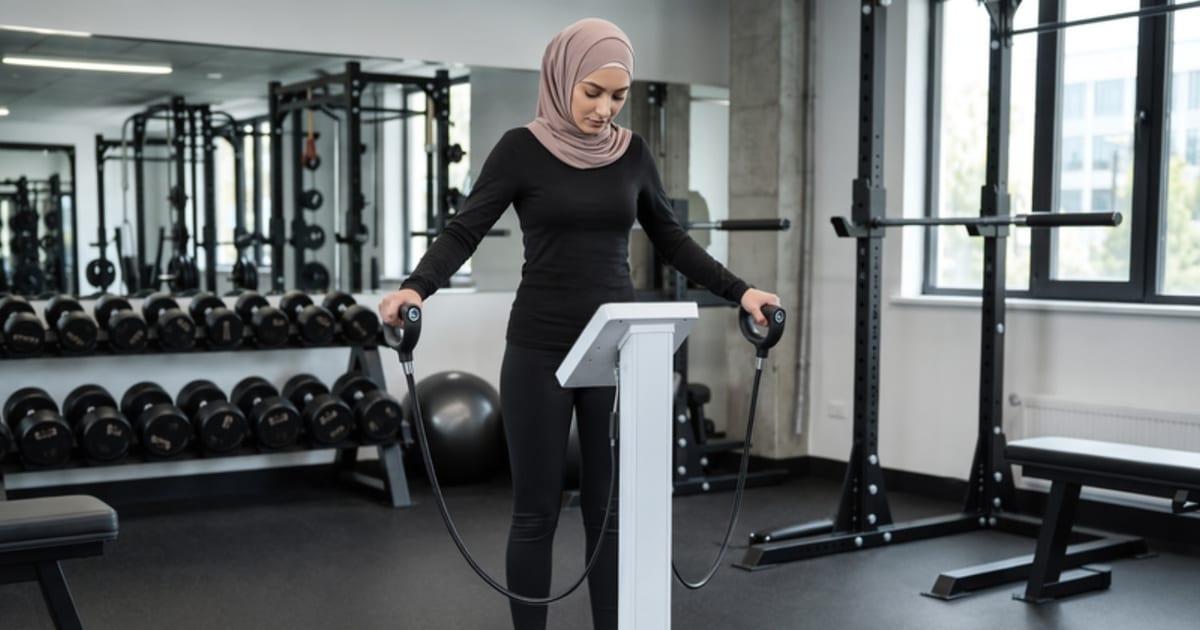
Have you reached a good level of muscle mass, but want to lower your body fat and show your muscle definition more clearly? This is where the cutting phase comes in, one of the important phases in the world of bodybuilding and fitness.
A successful cut doesn't depend on cutting food at random or doing long hours of cardio; it takes a balanced strategy that combines the right nutrition, resistance training, physical activity, and enough rest.
In this guide, we'll look at what cutting means, how to set up a suitable diet, the best training schedule, and the most important tips for keeping your muscle mass during your fat-loss journey, with the help of FTW.
What Is Cutting?
Cutting is a phase that aims to lower your body fat while keeping as much muscle mass as possible.
You do this by eating slightly fewer calories than your body needs each day, while getting enough protein and continuing to do resistance training.
Contrary to a common belief, cutting doesn't mean starving your body or giving up carbs and fats; it relies on a nutritional balance that helps you lose fat without a big effect on your athletic performance and muscles.
A Cutting Diet: What Should You Eat?

Your diet is one of the most important factors in the success of the cutting phase; even if you stick to your workouts, it's hard to get the results you want without managing your calories and nutrients.
Here are the main principles to keep in mind:
1. Create a Moderate Calorie Deficit
Start by finding your daily calorie needs, then reduce them by a moderate amount, usually about 300–500 calories a day, adjusting the deficit based on how fast your weight drops and on your performance and recovery.
This approach helps you lose fat gradually without sacrificing muscle mass unnecessarily.
2. Pay Attention to Protein
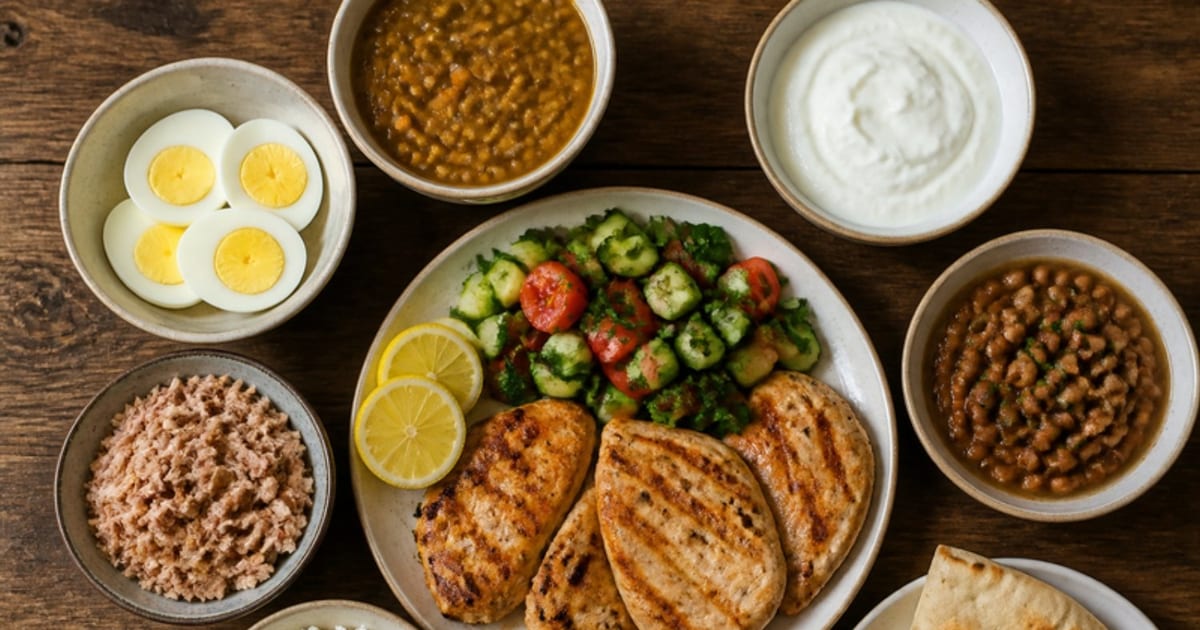
Protein is essential for keeping your muscles during a cut, because it helps repair muscle tissue and supports recovery after exercise.
The daily needs of people who train during the cutting phase can range from 1.6 to 2.2 grams of protein per kilogram of body weight, with needs varying by body-fat level and training intensity.
Some of the best protein sources:
- Chicken breast and lean meats.
- Fish and tuna.
- Eggs.
- Greek yogurt and suitable dairy products.
- Legumes and plant proteins.
3. Don't Cut Out Carbs
Carbs are an important source of energy, especially during resistance training and high-intensity workouts.
So you don't need to cut them out during a cut; you can manage the amounts based on your needs and rely on sources such as oats, rice, potatoes, and whole grains.
4. Eat Healthy Fats
Fats help support hormonal functions and the absorption of fat-soluble vitamins.
Make sure you include sources such as olive oil, nuts, avocado, and fatty fish in suitable amounts.
A Cutting Schedule: How Do You Organize Your Workouts?

Keeping up your resistance training is one of the most important factors that help you hold on to your muscle mass during a cut.
You can follow a weekly schedule that combines strength training, cardio, and recovery days:
| Day | Type of workout |
|---|---|
| Saturday | Chest and triceps |
| Sunday | Back and biceps |
| Monday | Legs |
| Tuesday | Moderate-intensity cardio |
| Wednesday | Shoulders and abs |
| Thursday | Full body or cardio |
| Friday | Rest and recovery |
You can adjust the schedule to your fitness level and the number of training days you have.
It's important to keep a suitable intensity in your resistance training and to try to keep your weights and performance as much as possible, while reducing your training volume if signs of fatigue or poor recovery appear.
Cutting After Bulking: How Do You Move to the Next Phase?
After you finish a bulking phase, you may have gained good muscle mass, but your body fat may have gone up with it too.
This is where cutting after bulking comes in, with the aim of reducing fat while keeping the muscle you gained.
For a successful transition, follow these steps:
- Assess your bulking results: review your weight, waist size, and athletic performance.
- Set your new calories: calculate your daily needs before setting your calorie deficit.
- Reduce your calories gradually: avoid a sudden switch to a very low-energy diet.
- Keep your protein up: don't neglect your muscles' needs during the fat-loss phase.
- Keep up resistance training: don't replace weight training with cardio alone.
- Track your progress: follow your average weekly weight, your waist size, and your performance in workouts.
And remember that the speed of your cut isn't the measure of success; losing weight very fast may increase the chance of losing muscle mass and a drop in performance.
Common Mistakes to Avoid During a Cut
Some wrong practices can backfire, even if you stick to your training.
Some of the main ones:
- Cutting calories too much.
- Cutting out carbs completely without a need to.
- Doing too much cardio at the expense of resistance training.
- Not eating enough protein.
- Neglecting sleep and muscle recovery.
- Relying on the scale alone to judge your results.
You should also keep in mind that daily changes in weight can come from shifts in fluids and glycogen stores, not just fat.
Frequently Asked Questions
What is cutting?
Cutting is a phase that aims to lower your body fat while keeping as much muscle mass as possible, by eating slightly fewer calories than your body needs, with enough protein and continued resistance training.
How many calories should I cut when cutting?
Start by finding your daily needs, then reduce them by a moderate amount, usually about 300–500 calories a day, adjusting the deficit based on how fast your weight drops and on your performance and recovery.
How much protein do I need while cutting?
The daily needs of people who train during a cut can range from 1.6 to 2.2 grams of protein per kilogram of body weight, depending on body-fat level and training intensity.
Should I cut out carbs when cutting?
You don't need to cut them out; carbs are an important source of energy during workouts. Manage the amounts based on your needs and rely on sources such as oats, rice, potatoes, and whole grains.
What are the most common cutting mistakes?
Cutting calories too much, cutting out carbs completely, doing too much cardio at the expense of resistance training, not eating enough protein, neglecting sleep, and relying on the scale alone to judge your results.
Start Your Cutting Phase With FTW
A successful cut doesn't depend on a harsh diet or an exhausting workout schedule, but on a balanced plan you can stick to over the long term.
With the FTW app, you can explore the programs and exercises that suit your goals, organize your resistance training and cardio, and work on improving your fitness level step by step.
Whether you're moving from bulking to cutting or want to improve your body composition, make your goal losing fat while keeping your muscle, not just reaching a lower number on the scale.
A strong, well-proportioned body is the result of the right planning and consistency, not quick fixes!
Sources
- Helms ER, Aragon AA, Fitschen PJ. (2014). Evidence-based recommendations for natural bodybuilding contest preparation: nutrition and supplementation. Journal of the International Society of Sports Nutrition, 11, 20. doi:10.1186/1550-2783-11-20
- Morton RW, et al. (2018). A systematic review, meta-analysis and meta-regression of the effect of protein supplementation on resistance training-induced gains in muscle mass and strength in healthy adults. British Journal of Sports Medicine, 52(6), 376–384. doi:10.1136/bjsports-2017-097608